Myranda’s Minute: Unpacking NDASA’s Marijuana Education Symposium & The Uncharted Waters Ahead

Myranda Roys,
SVP of i3screen
Having spent over 20 years in the drug testing and screening industry, people often assume I’ve seen it all. But if two decades in this business have taught me anything, it’s that this field is constantly evolving and there is always something new to learn.
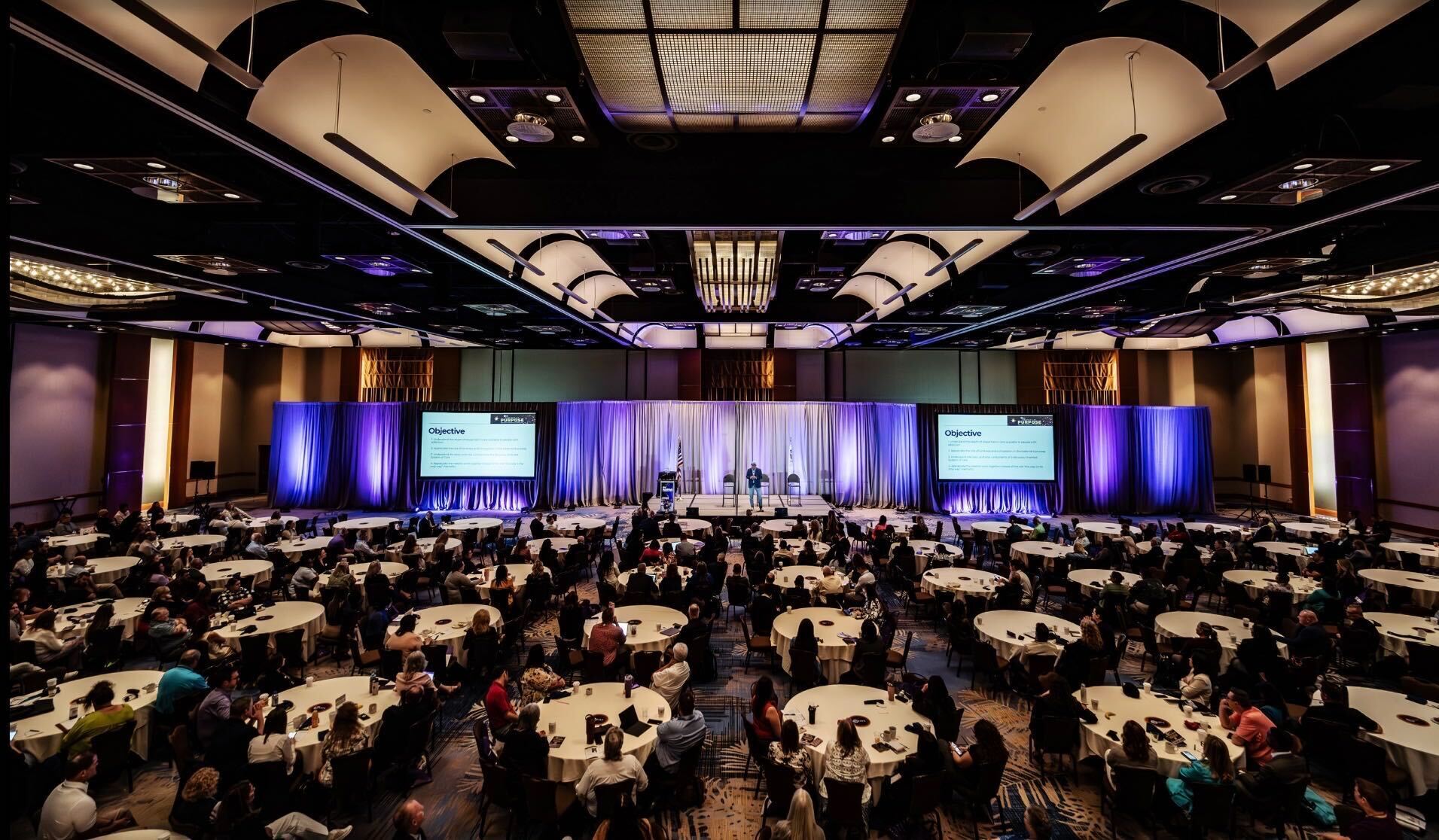
That truth was on full display at the Marijuana Education Symposium hosted by the National Drug and Alcohol Screening Association (NDASA) led by Jo McGuire, the Executive Director. I want to give a massive thank you to NDASA for putting together such a timely, high impact, and deeply informative event. The depth of knowledge shared, the rigorous science presented, and the candid conversations among industry peers provided incredible clarity on some of the most critical issues facing workplace safety today.
Among the many topics covered, two major takeaways stood out to me, and both demand our immediate attention as safety advocates.
1. The Rise of “Big Marijuana” and the Urgency to Educate
To deny the fact that Big Marijuana groups have done a phenomenal job at selling their product would be a blatant lie. They have put in the time, money, and effort to rebrand an industry, so much so that the cracks in our public safety framework are beginning to show.
During the symposium sessions, it became abundantly clear that Big Marijuana is following the exact playbook previously perfected by Big Tobacco and Big Alcohol. From aggressive marketing and high-potency product innovation to sophisticated lobbying efforts, their goal is simple: total normalization. By shifting public perception and glossing over safety risks, commercial interests are working endlessly to make workplace drug testing look like an outdated concept.
As an industry, we need to catch up, organize, and get the general public to understand what is about to happen. Right now, our conversations are mostly happening inside an industry bubble which is confined to the roughly 3,000 members of NDASA and screening professionals who already know the risks. We need to step outside of our immediate circles and put these facts and realities directly in front of everyday citizens.
I am convinced that the general population does not realize what is on the horizon. This isn’t something happening in a far off land or oceans away; this is unfolding right here, on our roads, in our skies, and in our neighborhoods. No parent wants to put their kids in harm’s way, and no commuter expects the person operating their transit to be free of safety oversight. If everyday citizens truly understood what could happen to our public safety testing standards, they wouldn’t stay silent, they would be speaking up and demanding accountability. They would have a very different opinion of what could happen with Department of Transportation testing.
2. Rescheduling to Schedule III: The Dangerous Gap in DOT Testing
Perhaps the most alarming topic reviewed at the symposium was the potential federal rescheduling of marijuana from a Schedule I to a Schedule III drug.
On paper, rescheduling sounds like a simple administrative or regulatory shift. In reality, if enacted without an explicit safety carve out it creates a massive legal and regulatory loophole. Under current framework rules, DOT and HHS mandatory testing panels only cover Schedule I and Schedule II substances. Moving marijuana to Schedule III without a designated safety carve-out would strip away the regulatory authority to test safety sensitive employees for marijuana.
I want you to really stop and think about what that looks like in practice:
- Would you board a commercial flight knowing there is no longer a legal deterrent stopping the pilot or aircraft mechanics from using marijuana?
- Would you load your family into the car for holiday travel, knowing that 80,000 pound commercial trucks are rolling down the highway next to you with zero required marijuana testing for drivers?
- Would you put your child on a school bus knowing the driver could be impaired on the job with zero professional ramifications or screening standing in the way?
- Would you feel safe at home knowing a pipeline technician could “wake and bake” right before servicing the high pressure natural gas line running directly behind your property?
We have to be realistic: there will always be bad actors in any industry. However, drug testing serves as a vital deterrent. Most operators refrain from using substances because they know a structured system exists to catch them and hold them accountable. What happens when you remove that system and dismantle the deterrent? You aren’t just changing a policy, you are pulling away the safety net that protects everyday citizens before a catastrophe happens.
A Stark Reality: Public Safety as a Bargaining Tool
As someone who has dedicated over 20 years to keeping workplaces and communities safe, I personally believe we are heading into extremely dangerous, uncharted territory. Public safety is actively being used as a bargaining tool.
Why is our safety as citizens being compromised? We have to be honest with ourselves: it comes down to political leverage and money. As safety advocates, drug testing professionals, and workplace compliance organizations, our primary motive is simply keeping people alive, healthy, and uninjured on our roads, in our skies, and across our workplaces. But as an industry, we have significantly less money to donate to political election campaigns than the deep pockets of Big Marijuana. When commercial campaign dollars speak louder than science and safety data, the public safety of our families gets traded away.
Moving Forward: Lead or Be Led
Events like the NDASA Marijuana Education Symposium remind us why our voice matters and where our duty lies. I don’t know exactly where this shifting regulatory landscape will land us, but I do know one thing for certain: if we as industry experts do not step up and lead this conversation, we will be led by commercial interests that do not prioritize public safety.
It is our fundamental obligation to inform, educate, and protect the communities we serve. We cannot afford to sit silently on the sidelines while the rules of safety are rewritten around us.
At i3screen, we remain committed to empowering our partners with accurate science, defensible policies, and the tools needed to keep safety front and center. I encourage every HR professional, safety manager, and industry provider to stay informed, engage with lawmakers, and aggressively advocate for clear safety carve-outs as federal drug policies continue to shift.